




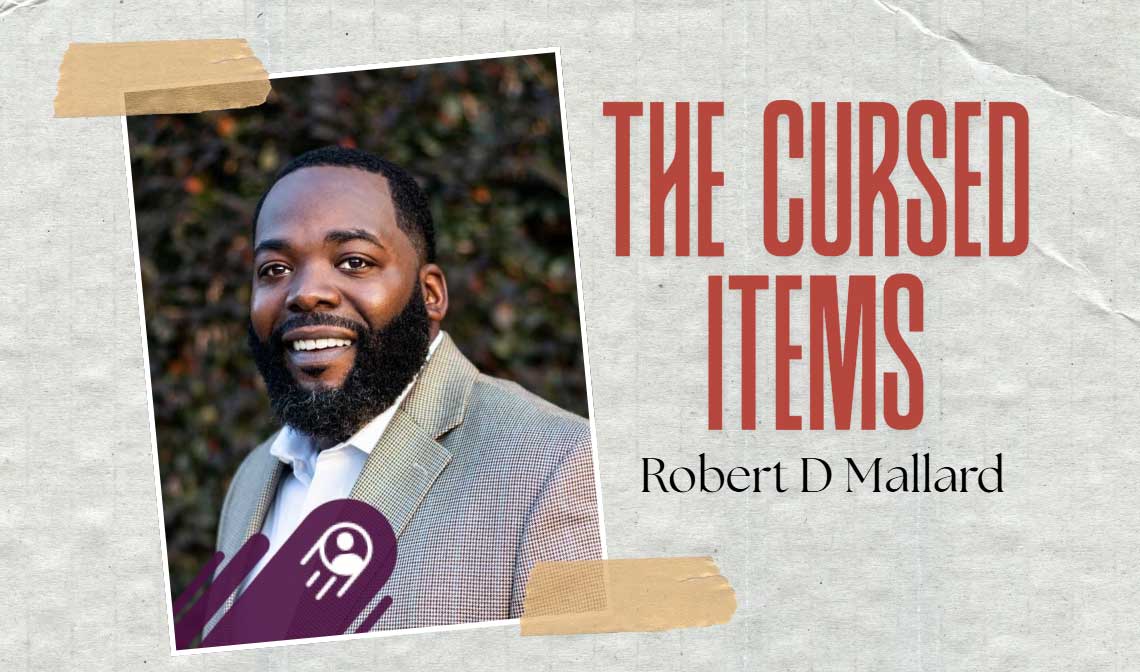
In a reflective moment of spiritual contemplation, Robert D. Mallard found himself drawn to the book of Joshua in the Bible. This Scripture, steered by the Holy Spirit, unveiled a critical message about cursed items and the dangers they pose to those who engage with them. Mallard emphasizes the stark reality: if one lives an undisciplined life, artifacts such as crystals will not furnish them with sustainable wealth, enrich relationships, provide protection from malevolent spirits, or bestow any magical powers.
Mallard warned that in the ignorance surrounding these items, individuals may unwittingly forge an open door to spiritual oppression by evil entities. He expresses a profound concern for those who adorn themselves with crystals or demonic amulets, under the mistaken belief that these items confer power or security. “In seeking help from these very objects,” he noted, “they may inadvertently align themselves with forces that lead them away from spiritual truth and into harm.”
The seriousness of these warnings is echoed in the Scriptures. For instance, Mallard cited Exodus 20:1-5 (AMP), which explicitly commands, “You shall have no other gods before Me… You shall not make for yourself any idol.” This unambiguous directive from God underscores the peril of allowing items dedicated to other spiritual powers into one’s life, drawing individuals away from a faithful relationship with God. “God will judge rebellion against His commandments,” Mallard asserted, signaling the urgency of adhering to these biblical injunctions.
Mallard also presented a cautionary tale from the story of Achan as recounted in Joshua chapters 6 and 7. Achan’s decision to seize cursed items led to dire consequences for the entire camp of Israel, resulting in defeat at the hands of their enemies. He illustrates that “when someone brings cursed or forbidden things into their life, it can bring consequences until those things are removed and true repentance takes place.” The severity of Achan’s actions serves as a reminder that spiritual integrity matters—disobedience can have far-reaching effects.

within you. It is important to understand that pride is not only expressed through words. It reveals itself in attitudes, reactions, actions, and even subtle behaviors. When you feel superior to others, resist correction, refuse to serve, or desire recognition and admiration from people, these are clear indicators of pride at work.Pride is dangerous. It is a spiritual virus that kills the spirit, damages the soul, and ultimately leaves a person empty.
True leadership is not about being seen above others, but about lifting others up. To lead effectively and in alignment with God’s will, one must continually choose the path of humility.
He quotes Joshua 7:1 (NKJV), which recounts the transgressions of the Israelites under Achan’s influence. “Israel hath sinned,” the Scripture states, revealing the consequences of collective disobedience. Mallard’s interpretation reinforces the necessity for individuals to cleanse themselves of those influences that disrupt their spiritual fidelity.
Overall, through Mallard’s reflections, readers are urged to take a proactive stance in their spiritual lives. They are called to dismantle any remnants of disobedience and instead foster a deeper relationship with God, free from the influence of cursed artifacts. As he concludes with an earnest wish for his audience, “Have a wonderful and blessed day,” Mallard instills hope for a transformative journey toward spiritual clarity and alignment with divine purpose.
Lorem ipsum dolor sit amet, consectetur adipiscing elit. Ut elit tellus, luctus nec ullamcorper mattis, pulvinar dapibus leo.