




STREET DRAMA ADMINISTRATION
Written By Salami Oluwaseun
Street drama ministration pertains to the art of employing theatrical performances as a method for conveying messages and disseminating awareness regarding diverse social and cultural issues. It wields the potency of melding creativity, storytelling, and social involvement to deeply affect and stimulate individuals in a manner that is both intimate and relatable. The act of street drama ministration assumes a pivotal role in catalyzing affirmative change, nurturing dialogues, and cultivating a profound sense of community.
A notable benefit of street drama ministration lies in its accessibility. In contrast to conventional theatre presentations confined to specific venues, street drama carries the artistry directly to the people. It engages individuals who might not readily access theatrical productions or feel at ease attending them. By bringing the performance to the streets, it dismantles barriers and offers a chance for all, irrespective of their social or economic circumstances, to partake in the enriching influence of theatre. Furthermore, street drama ministration possesses the capability to engross and enthrall its audience in a manner that only a handful of other mediums can match.
The inherent essence of street performances fosters enthusiastic engagement and interaction. Those passing by are not merely passive onlookers; they evolve into integral elements of the performance, whether voluntarily or serendipitously.
This all-encompassing encounter amplifies the resonance of the message conveyed via street drama, rendering it more influential and enduring. The
intimate proximity shared between performers and spectators forges an unparalleled connection, enabling a bonafide interchange of emotions, concepts, and viewpoints.
Street drama ministration harbors the potential to tackle an extensive array of social and cultural concerns. It holds the capacity to draw notice towards subjects encompassing gender parity, ecological durability, human rights, and prejudice. By means of vibrant narrative, dance, melody, and visual components, street drama ministration furnishes a stage for voices at the fringes to find resonance and for urgent matters to be underscored.
This avenue empowers individuals to confront and ponder over these themes, spurring them to engage actively and play a part in nurturing a society that is both comprehensive and empathetic.

Moreover, street drama ministration nurtures a sentiment of community and inclusion. When individuals assemble to witness a presentation in a communal setting, a mutual experience takes shape.
Those unknown to one another coalesce in their sentiments, responses, and contemplations, forming a transient community that bears the potential to ignite enduring transformation. This sensation of unity fosters compassion and comprehension among individuals hailing from diverse origins, fostering heightened social unity and cooperative endeavors.
Street drama ministration entails a combination of elements that come together to create a successful performance. These elements include:
1. Planning and Preparation: Prior to commencing a street drama ministration, meticulous
planning and groundwork
stand as imperatives. This entails the selection of a pertinent theme or concern to tackle, crafting a script or scenario, and shaping the
performances in a manner that adeptly imparts the envisioned message. Taking into account the intended recipients and assuring
that the content remains reachable and relatable are of paramount importance.
2. Performers: Street drama ministration demands adept performers capable of infusing vitality into the script through their acting, dance, and vocal talents. The performers must possess ardor and dedication to the cause they epitomize, for they shall be the embodiment of the performance, entrusted with the task of captivating and engrossing the audience proficiently.
3. Props and Costumes:
Props and costumes assume a pivotal function in the realm of street drama ministration, contributing to the crafting of a visually captivating and all encompassing encounter. Thoughtfully crafted props and costumes should lend support to and amplify the art of storytelling, endowing it with heightened vibrancy and an enduring imprint of recollection.
4. Location: The selection of an apt locale for the street drama ministration holds paramount importance. It ought to be a locale teeming with substantial footfall, wherein a notable multitude can partake in observing the spectacle. Sites such as communal parks, bustling marketplaces, or thoroughfares thronged with pedestrians prove to be well-suited and efficacious.
5. Timing: The timing factor assumes critical significance in the domain of street drama ministration, as the aim is to draw the largest possible throng of onlookers. It is imperative to contemplate peak hours or periods when individuals are prone to be in attendance and unoccupied to witness the spectacle. Moreover, maintaining the audience’s engagement necessitates that the performances remain of a duration that doesn’t surpass their attention span.
To have a successful street drama ministration, the following steps can be taken:
1. Rehearse: Ensure a comprehensive rehearsal of the performance, guaranteeing actors are at ease with their roles and timing. This contributes to crafting a refined and professional presentation.
2. Publicize: To kindle curiosity and draw a larger audience, advance promotion of the street drama ministration is essential. Harness the power of social media, posters, flyers, and word of mouth to disseminate information about the impending performance.
3. Engage the Audience: Stimulate audience engagement by weaving instances into the performance that involve spectators, such as chants, call and response, or interactive elements. This enriches the experience, rendering it more captivating and memorable.
4. Provide Outreach Materials: Provide informative brochures or pamphlets offering supplementary details about the topic or issue tackled in the performance. This empowers the audience to delve deeper into the message and take action if they feel inclined to do so.
5. Evaluate and Reflect: After the street drama ministration, take time to evaluate the performance and gather feedback from both performers and audience members. This will help identify areas for improvement and ensure future ministrations are even more impactful.
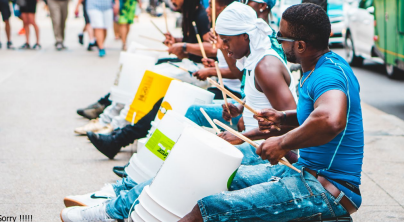

In conclusion, street drama ministration is an effective means of communication and social engagement. Its accessibility, capacity to enthrall, and potential to address important social issues make it a valuable tool for positive change. By bringing theatre to the streets, street drama ministration breaks down barriers, fosters dialogue, and empowers individuals to reflect, connect, and take action. It is an art form that not only entertains but also inspires, bringing communities together and paving the way for a more just and inclusive society. A successful street drama ministration requires careful planning, skilled performers, engaging content, a suitable location, and effective promotion. By focusing on these elements and considering the needs and interests of the audience, street
drama ministrations can be powerful tools for spreading awareness, inspiring action, and
fostering positive change within
communities.